One of my favourite topics is road quality. Anything I had seen up to this point paled into insignificance! OMG!! At home 95% of the road would be 4WD only and 75% of it closed as unsafe. Yet here in Tibet the local cars, buses, motorbikes etc pass up and down constantly! It was such an interesting contrast to the impressive tunnel region engineering that one had to wonder what it was all about!
The highlight of the day’s driving was finding a traditional nomadic family living in a yak hair tent. Each panel takes many years to weave – incredible workmanship! We stopped for tea – with yak milk – and despite trepidation, it wasn’t bad! Certainly didn’t fit in the ‘rancid and hairy’ bracket I was warned about. 🙂
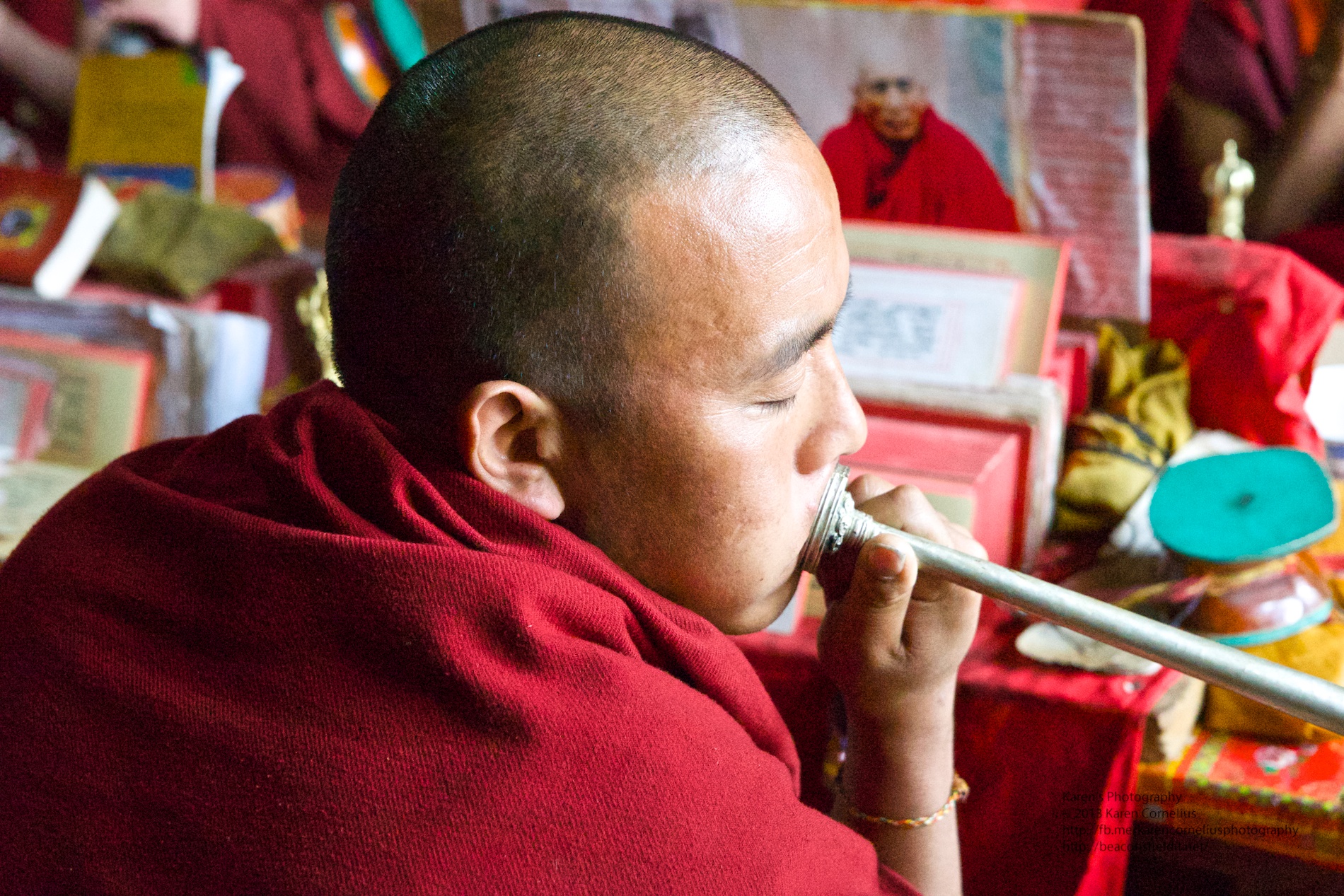
The Annual conference of Buddhist monks was held in Chutung Monastery, not far from Dzamthang. It was seen as a photo opportunity too good to miss.
On arrival we were greeted by the sight of a thousand burgundy robed monks spread out across the fields, debating, listening, chatting, learning, eating and networking. Delegates badges, bags etc made the conference genre clear.
As we arrived they were breaking up for lunch of noodles, bread, fun and laughter. We were the oddity again. The source of great hilarity and interest.
We were taken into the conference dignitaries’ eating area and offered bread and given gifts – clock, blessing scarf, scroll of a Tibetan deity, note book and pen.
As we went out to photograph the monastery, we found ourselves on a fast exit!! Unfortunately we walked out at the exact time an important Chinese official (unbeknown to our hosts) was due. We found ourselves face to face with a Chinese official vehicle – with the 2 officials doing pre-safety check before the dignitary arrived.
We had planned to go the next day but left then!!!! Passports were checked and details laboriously recorded. We were told it was for our safety and that we could visit the monastery without taking photos. There were more delays, phone calls and debates and finally we were taken back out of the TAR to check in at the ‘Exit/Entry Administration Service Centre, public Security Bureau of Rang Tang County’.
We were supposed to collect our bags on the way, but our zealous non-English speaking police officer drove us straight over the pass to the required check in. After a long, anxious wait in the Security Bureau our gear turned up and we were checked into a hotel.
We learned that the conference is usually 2 weeks long, but that the Chinese had limited the numbers to 1000 and the length to a week. More control!!
AMAZING – what else can one say, simply glorious.
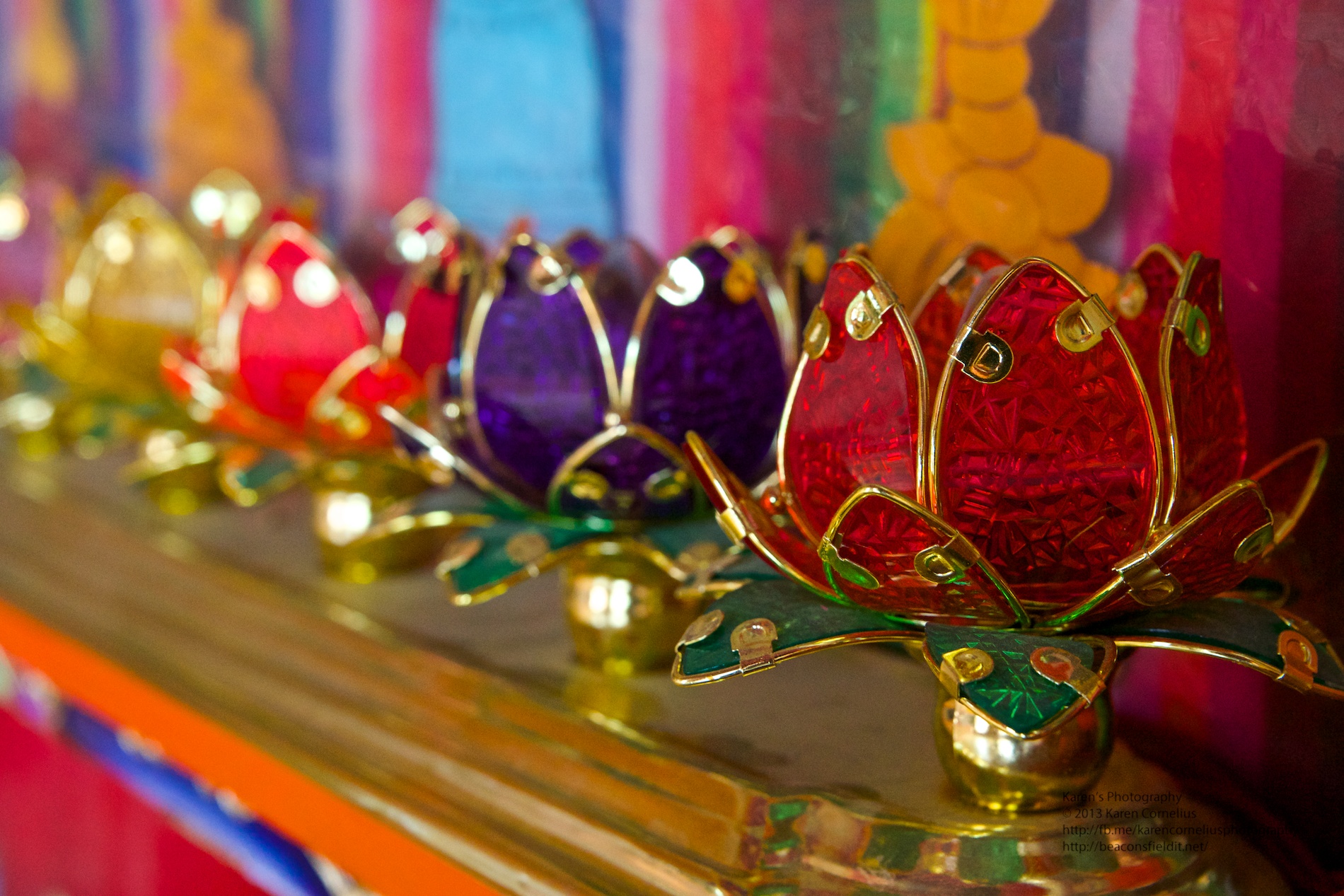
We were afforded a private tour and free access for photography and video. We started in the main prayer area – SO beautiful!!! Under restoration and being carefully repainted and repaired, we explored the 5 levels around the gorgeous central Buddha.
Then we were escorted to see the records area, the hand made wooden print stencils, the 14th Lama King’s resting place, the storage area for statues representing the 8 Buddhist traditions and the views from the rooftop.
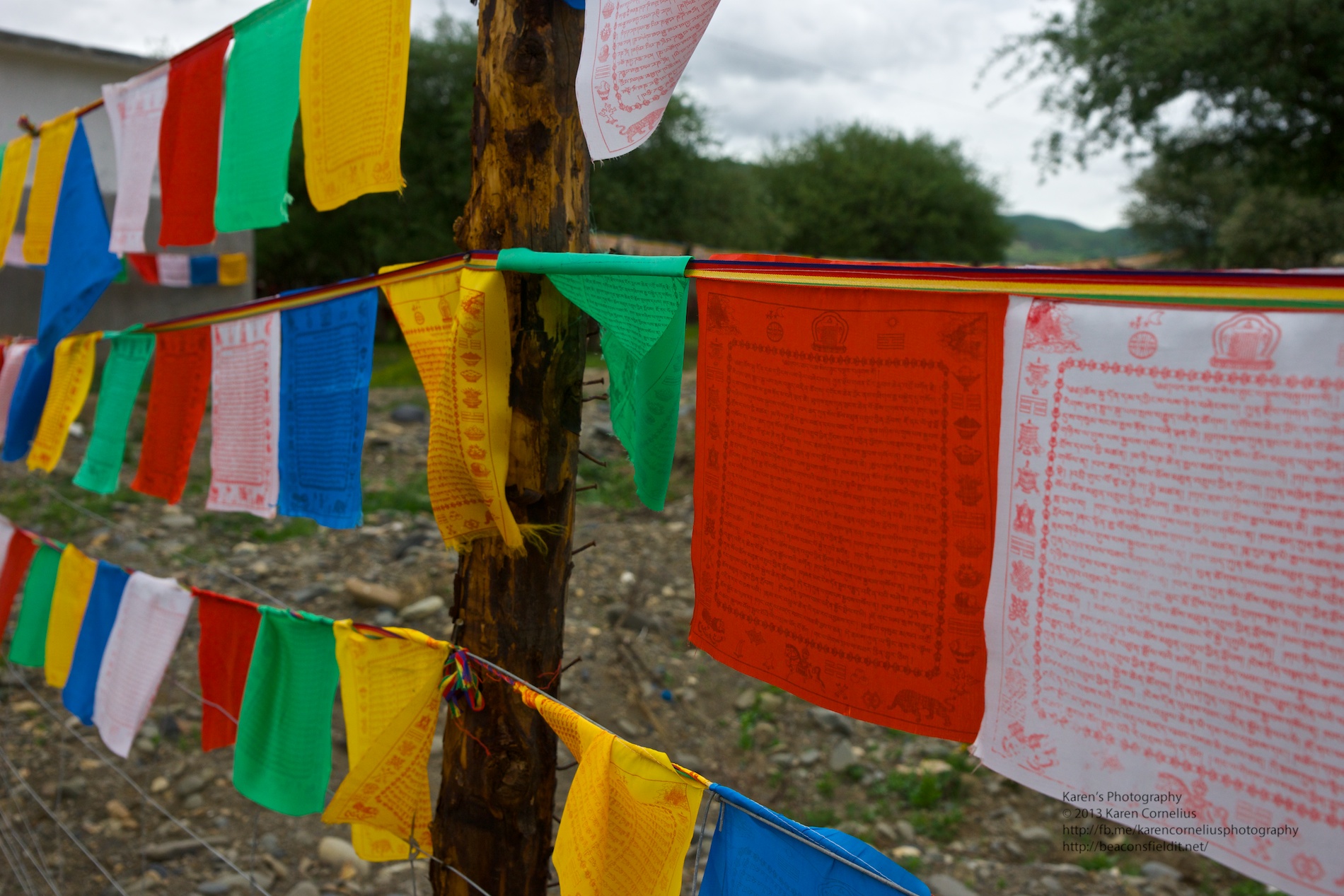
An AMAZING experience!!! A photographer’s dream. Here are just 15 of hundreds and hundreds of photos!!!!
We arrived in Dzamthang Village (may have another name, but is the village attached to Dzamthang Monastery) late in the day.
The annual Buddhist Monks Conference was occurring in the region and there was a heightened police presence and wariness about how our presence might be received. In order to be low profile we spent our first day in the village and climbed a ‘small hill’ behind the village with a picnic lunch. This hill of about 2000m jutted above the village (already at 3,500m!). It was interesting climbing at altitude. The eldest daughter, Shuklah, and a beautiful nun carried our lunch and gear up. We breathlessly managed to just get ourselves up there!!
Again we found that there was no Internet access at all. Lots of Tibetans have iPhones, but no access to anything on-line. Chinese control of the Internet had been obvious since landing in Chengdu – no FaceBook, Twitter, Google, Wikipedia, Linked-In … etc. The absolute control in this region was marked!
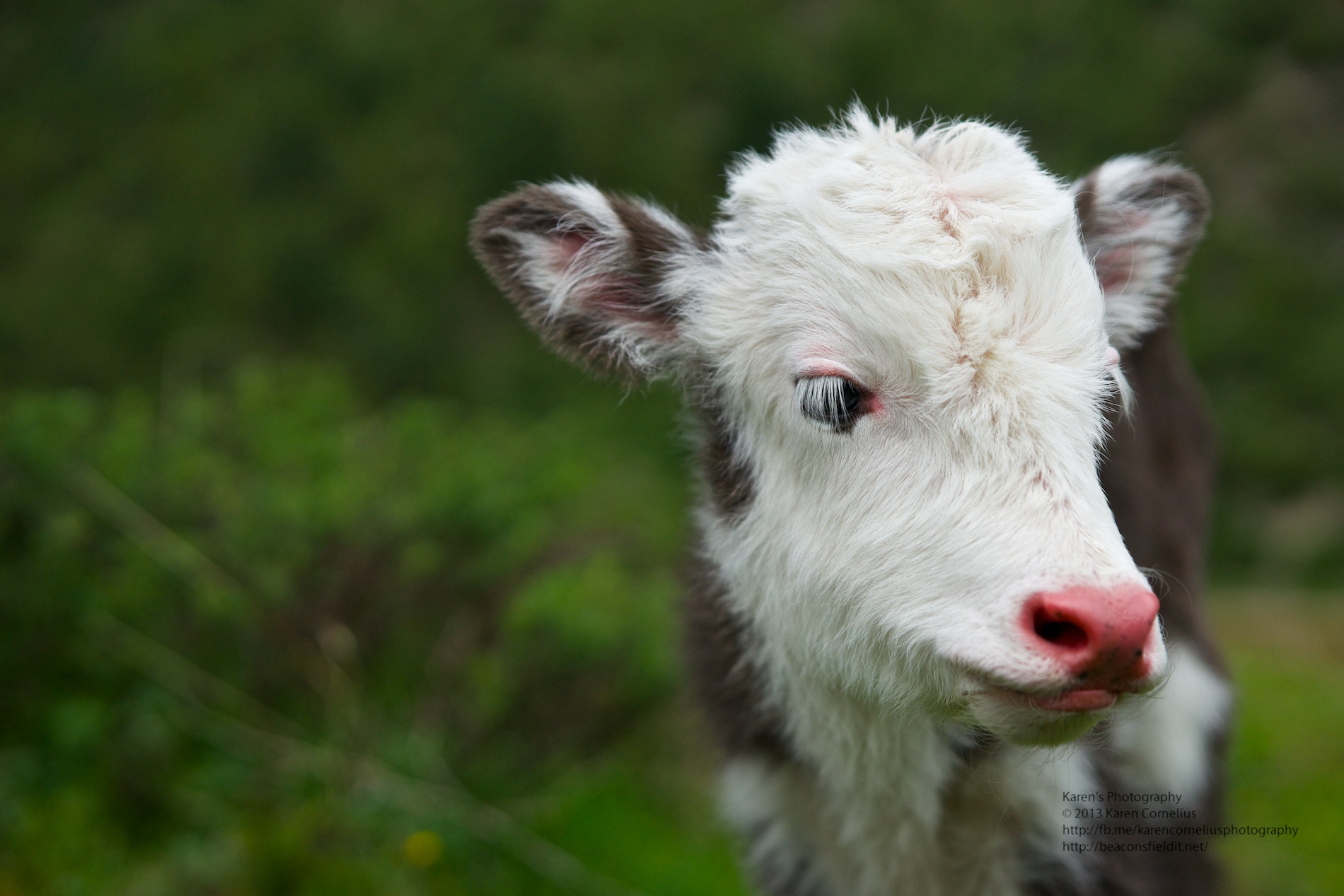
The village itself was gorgeous. Yaks, cows, dogs everywhere! The buildings opened to lovely homes and glorious temples. Unfortunately the family was reduced to using the communal drop pit toilet (and of course, so were we!) We later discovered that there was a typical Chinese style bathroom in the house but it leaked and they had been unable to get it repaired for months. No plumber would come. Interestingly the usual ‘Chinese efficiency’ seemed to be selectively applied – their police station and accommodation was the best in town!
Our beautiful host family were very upset by police intimidation and indoctrination processes. We certainly saw people look out of their doors before going out. The Tibetan children were attending the Chinese school (from 8am to 6pm daily, 6 days a week plus at least an hour of homework every day). The kids are getting a very traditional Chinese education, in Chinese. Tibetans are concerned about when the children will learn their own language and culture.
There were Chinese flags everywhere, including on the Monastery and school.
The oldest lady in the house explained some of the challenges they faced. For example villagers were told that they would be paid for extending their houses. Chinese labourers arrived to help and did very shoddy work. Tibetans have had to remove walls, leave houses etc. undertaken in this scheme. Our hosts have had to take down an unsafe wall (this explained the piles of rubble around the boundary of the property). Others were moved into the new homes that were then declared unsafe. We certainly saw piles of stone everywhere and deserted houses all over the place. The Tibetans weren’t reimbursed for work done/paid for as they had been promised.
Another amazing journey – Thuchen to Dzamthang – as we headed approximately westerly, deeper in the TAR (Tibet Autonomous Region).
The road was incredible. Paved generally, but subjected to extremes of weather and broken up in sections. Vivid in my memory are the overhanging rock faces, towering across the road and sheer drops on other side, hair pin turns, random construction vehicles left in convoy by the road, unfinished repairs and rockfalls!!! Add to this the wandering cows and yaks, farmers’ carts, bike riders and long vehicles needing both sides of the road to negotiate the tight bends. That anyone navigates it safely is amazing, that they manage it at the speed they do, incredible!!
Roadside workers undergo hazardous work, there is no speed reduction, drivers travel at the same speed as usual with their hand planted on the horn. Rocks are placed to cordon off new work, so unannounced one can round a bend and need to travel on the opposite side of the road to avoid rocks!
All mean that traffic both ways belts down the middle of the road. Lots of beeping and swerving!!!!!!! Skilful scary driving!! Miraculously speeds up to 80km per hour are achieved – it is an act of faith that on coming drivers are alert!
We later learned that cutting into the rock faces to make the road safe was a major challenge, because each interruption to the natural landscape opened up the probability of dangerous rock slides. Leaving rock faces untouched (and overhanging the road) was safer than cutting into them.
Spectacular scenery again – amazing alpine trees, huge mountains, massive rivers in each valley, clusters of villages – some poorer, most similar to Thuchen.
We crossed a spectacular ridge (from one valley road to another) on the usual high altitude concrete road. We saw yak farmers (in canvas tents), yaks herds grazing and green mountain tops (trees thinned out completely at the top).










You must be logged in to post a comment.